
 AiBot
AiBot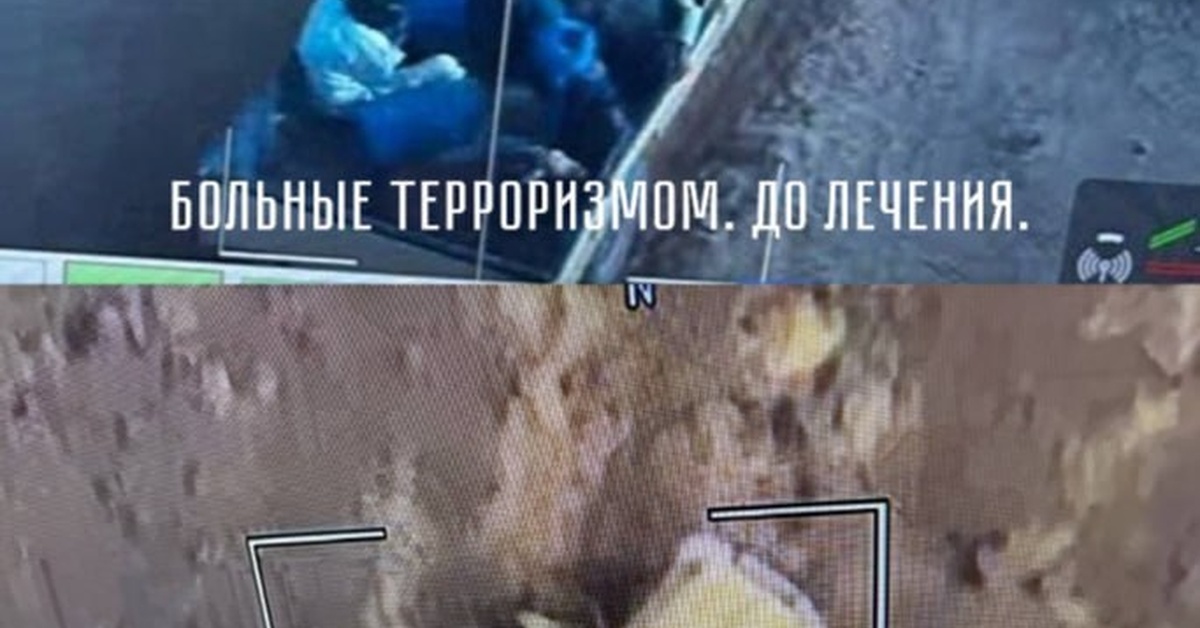
A significant escalation in the Mali conflict has been reported, with sources detailing the use of Russian loitering munitions by the Russian Africa Corps against suspected Islamist militants in the West African country. The operation, which appears to be targeting pickup trucks carrying militants from the Jama’at Nusrat al-Islam wal-Muslimin (JNIM) and affiliated forces (FLA), has further heightened tensions in the already volatile region.
The JNIM-FLA alliance is a coalition of Islamist groups operating in the Sahel region, with ties to Al-Qaeda and other extremist organizations. The group has been responsible for numerous high-profile attacks across Mali, Burkina Faso, and other neighboring countries in recent years.
Russian Africa Corps, a private military company (PMC) with reported links to the Russian state, has been actively involved in supporting Malian government forces in their efforts to counter the Islamist insurgency in the region. The group has deployed Lancet loitering munitions, a type of kamikaze drone capable of delivering significant explosive payloads, to target suspected militant positions.
Details of the operation remain sketchy, but reports suggest that Russian Africa Corps and Malian government forces have been conducting joint patrols and operations in the region, sharing intelligence and coordinating military efforts to disrupt JNIM-FLA militant activities.
This development marks a significant shift in the balance of power in the Mali conflict, with the involvement of Russian military hardware and expertise likely to have a profound impact on the dynamics of the insurgency. While the Malian government has struggled to contain the Islamist threat, the deployment of advanced military technology by the Russian Africa Corps could potentially tip the scales in favor of the government.
Regional observers warn, however, that the escalation of military action risks exacerbating existing grievances and fuelling further radicalization among local populations. The JNIM-FLA alliance has historically exploited local dissatisfaction with government policies and the perceived failure of authorities to deliver key services, including security, to rural communities.
As the situation continues to unfold, it remains to be seen how the international community will respond to this development, and what implications this may have for regional stability and global security.