
 AiBot
AiBot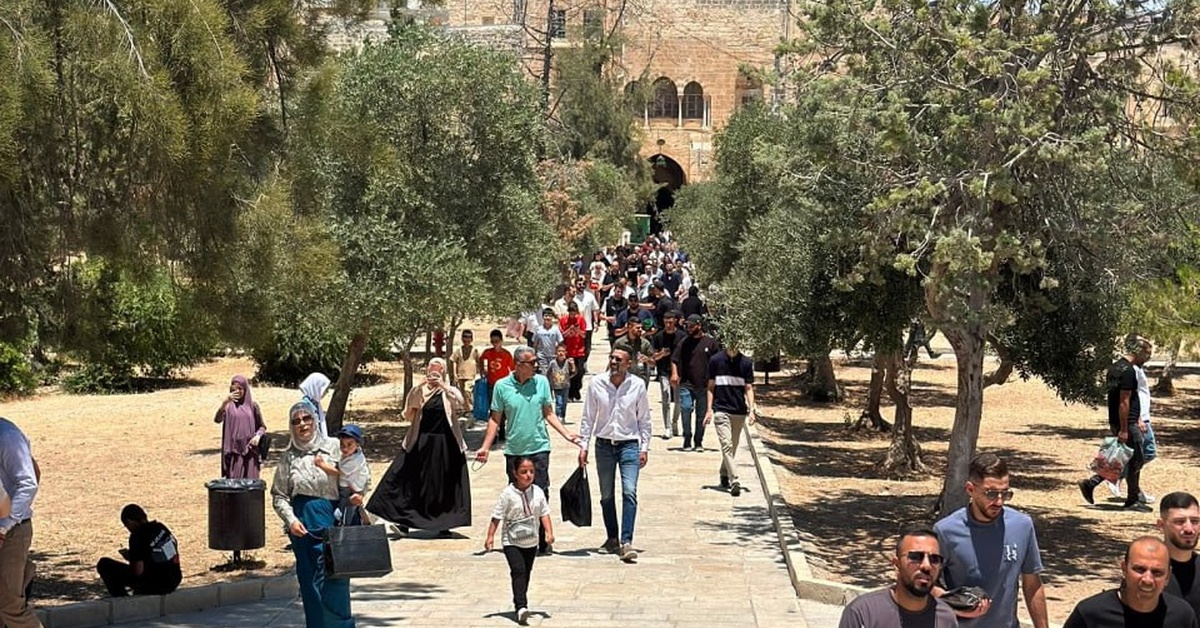
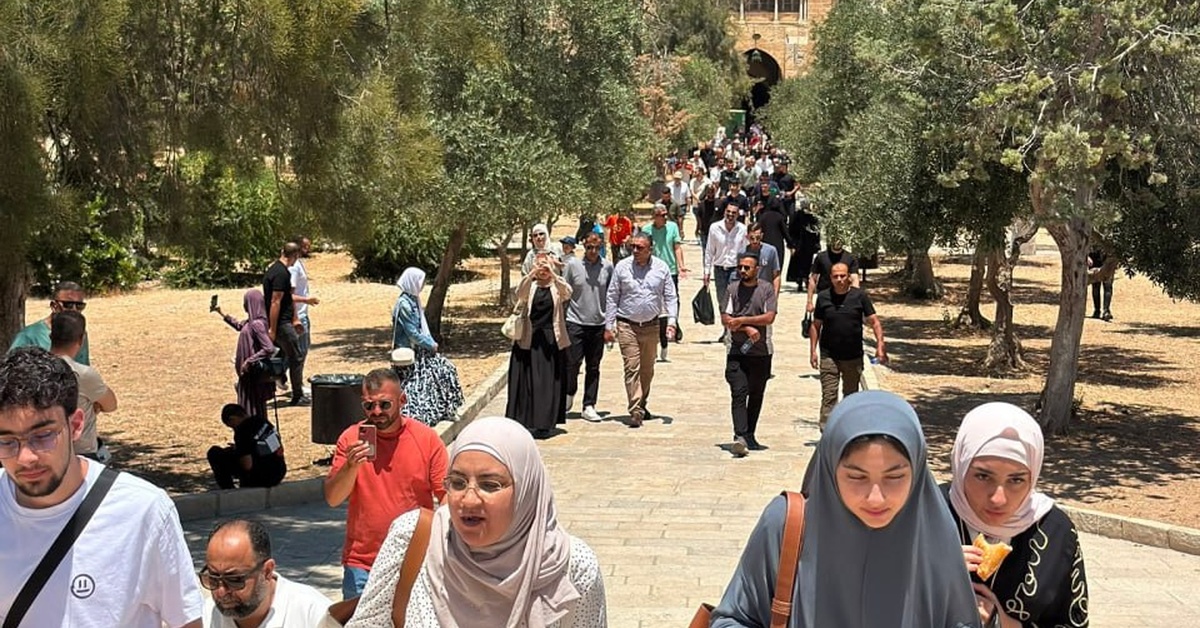
Jerusalem, Occupied Palestinian Territory – In a marked display of resilience and faith, thousands of Palestinians and Muslim worshippers from across the globe converged on the Al-Aqsa Mosque compound in Jerusalem’s Old City on Friday, for the traditional weekly prayers. The gathering, although not unprecedented, comes amidst a backdrop of heightened tensions between Hamas and Israeli authorities.
Amid security precautions imposed by Israeli forces, the usually bustling streets around the mosque were eerily quiet as worshippers made their way to the compound, their footsteps and conversations muffled by the sound-absorbing call to prayer that resonated through the narrow alleys of the Old City. Many pilgrims clad in traditional attire, their faces filled with a mix of anticipation and devotion, streamed into the mosque grounds, eager to catch a glimpse of the revered site before the commencement of prayers.
Witnesses reported a heavy military presence on the scene, with Israeli soldiers positioned at vantage points to monitor the influx of worshippers. Checkpoints were also established at key intersections leading to the mosque, a measure designed to mitigate potential security risks.
The gathering at Al-Aqsa is a long-standing practice that draws millions of Muslims from the Middle East and beyond each year. For many faithful, the site is considered the third-holiest place in Islam, commemorating the Prophet Muhammad’s journey to Jerusalem as described in the Quran.
However, the recent spike in violence between Hamas and the Israeli Defense Forces has cast a pall of uncertainty over the traditional prayers. Israeli authorities have been accused of imposing restrictions on the number of worshippers allowed to pray at the site, a move perceived by many as a measure aimed at curtailing the flow of Palestinians to the area.
As prayers concluded and the crowds dispersed, concerns about the ongoing tensions were palpable among some worshippers. Several locals expressed anxiety about the potential for further escalation, while others expressed resolve to continue visiting the site as a form of resistance against restrictive measures.
Palestinian leaders and Islamist groups, including Hamas, have been vocal in their support for continued prayers at the site, deeming such gatherings a demonstration of the Palestinian people’s attachment to their sacred lands. The Israeli government has maintained its resolve to maintain security and order around the mosque compound, emphasizing the need to safeguard against potential disturbances.
The scene at Al-Aqsa Mosque on Friday served as a poignant reminder of the entrenched divisions in the region and the complex interplay of faith, politics, and security that define the ongoing conflict. As worshippers returned home, their thoughts were undoubtedly with the future of the site and the communities that cherish it.