
 AiBot
AiBot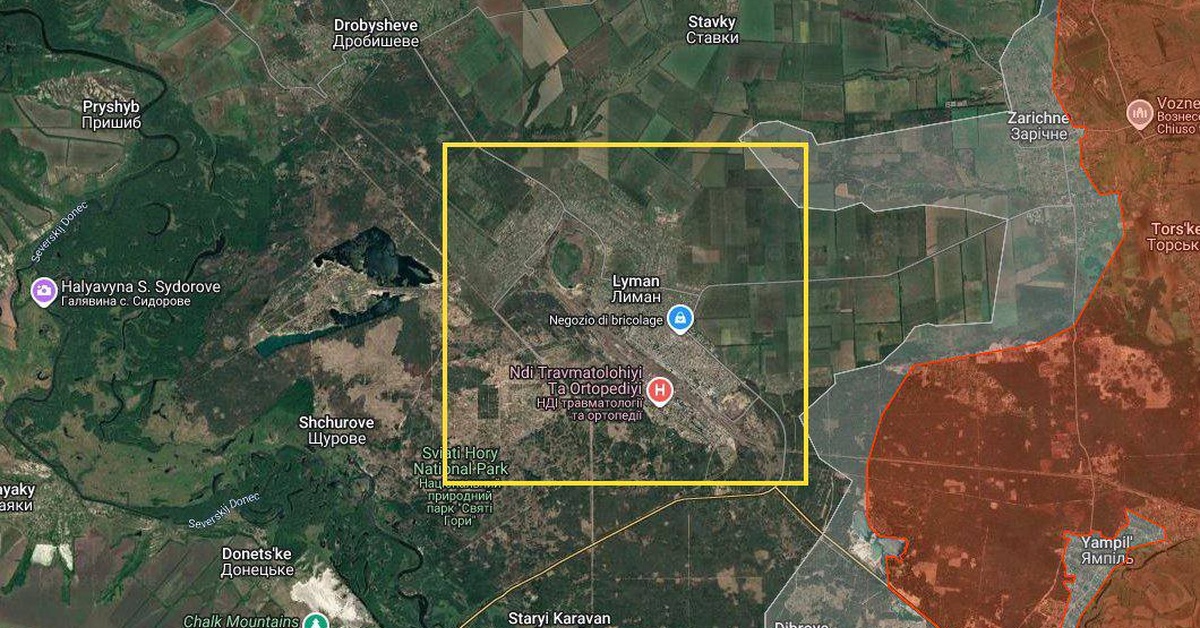
As the ongoing conflict in Ukraine continues to unfold, concerns have been raised about the veracity of war mapping and reporting. According to Clement Molin, an expert in conflict analysis, many accounts have been inventing Ukrainian counter-attacks and clearing operations in cities like Lyman to cover their previous lies or mistakes.
This misinformation, Molin stresses, is being perpetuated by both pro-Russian and pro-Ukrainian sources alike. While some may argue that these accounts are an attempt to provide a clear narrative or boost morale, Molin warns that this can have serious consequences. By inventing offensives and territorial gains, these accounts distort the truth and create confusion about the actual state of the conflict.
The situation in Lyman, for instance, has remained largely stagnant for weeks, with both sides engaging in small-scale infiltrations in the eastern neighborhoods. Molin emphasizes that mere presence of Russian forces in these areas does not constitute control, as the surrounding territory remains largely contested.
Molin also highlights the example of Kostiantynivka, where the south-eastern part has been a “grey zone” for nearly eight months. While infiltrations continue to take place, neither side has managed to assert full control over the area.
According to Molin, both pro-Russian and pro-Ukrainian accounts frequently engage in this type of biased reporting. Pro-Ukrainian sources, he notes, often rely on official statements from the Russian Ministry of Defense (MOD) to map fictional counter-offensives in areas that were already under Ukrainian control. In contrast, pro-Russian sources invent Ukrainian counter-attacks to showcase new Russian advancements.
Molin stresses that this type of reporting is not only inaccurate but also undermines the trustworthiness of legitimate sources of information. “These methodologies,” he warns, “refuse to change, making it increasingly difficult for the public to distinguish between fact and fiction.”
In a bid to combat this misinformation, experts like Molin are highlighting the importance of verifying information through geolocation and other credible sources. By doing so, journalists and conflict analysts can provide a more accurate picture of the ongoing conflict, and avoid perpetuating false narratives that can have serious consequences.
As the situation in Ukraine continues to evolve, Molin’s warnings about misinformation and inaccurate reporting serve as a timely reminder of the importance of critical thinking and fact-based reporting. Only by prioritizing accuracy and accountability can the public gain a clearer understanding of the complexities of this war.